Avoiding Perimenopause Bladder Troubles
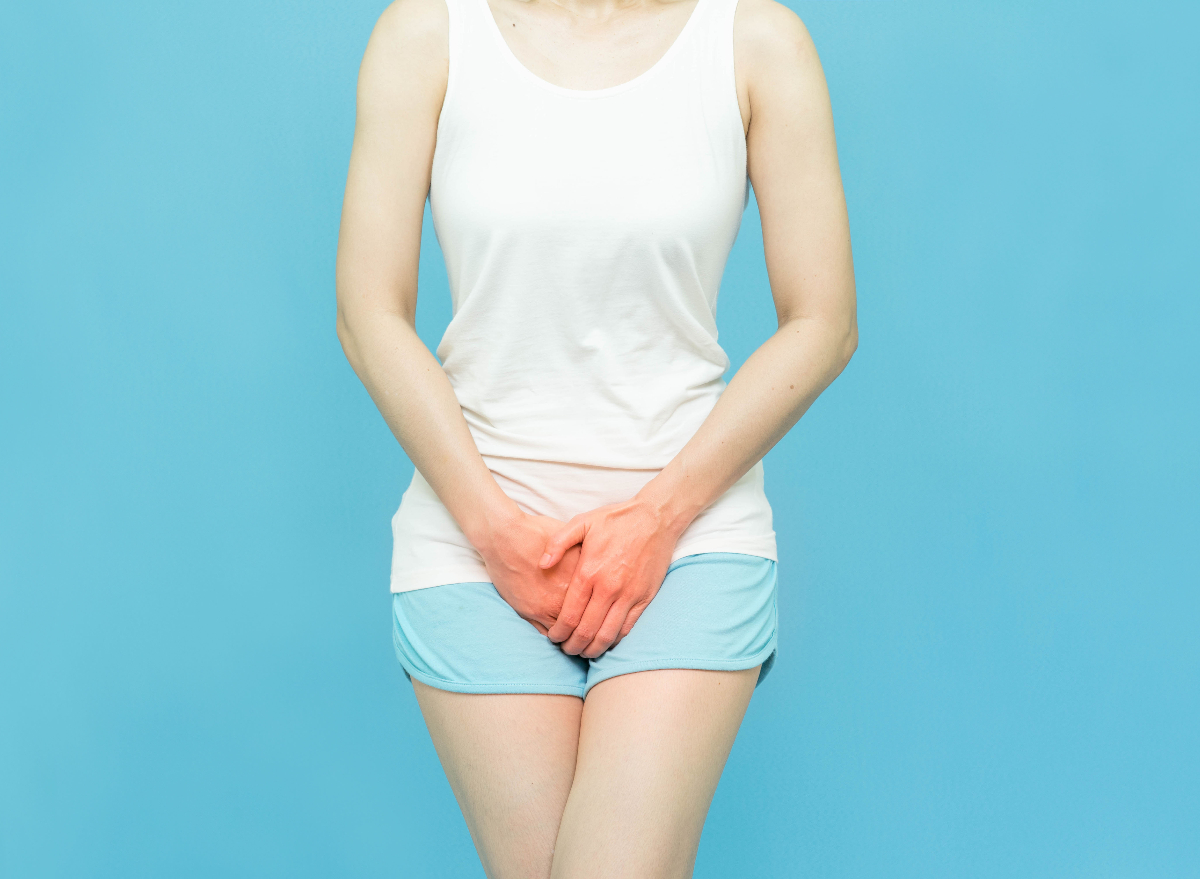

Strengthen Your Pelvic Floor
It assists maintain the strength and adaptability of the bladder, urethra, pelvic floor muscles, and vaginal cells. When estrogen degrees drop during menopause, these tissues can end up being thinner and weak, making bladder control harder. This hormone change, integrated with age-related modifications, enhances the threat of urinary symptoms like urinary incontinence and overactive bladder. This research study aims to examine the surviving literature on the relationship between menopause and urinary system incontinence (UI). To situate study that fulfilled the incorporation standards, a detailed electronic search of appropriate data sources was accomplished. A detailed search was executed on PubMed, SCOPUS, Science Direct, Cochrane Collection, and Internet of Science to locate relevant product.The Duty Of Estrogen In Urinary System Wellness
First, reduced testosterone can add to a loss of muscle mass, including Urethra the weakening of the pelvic floor muscular tissues, which raises the danger of urinary incontinence. Later on in life, the drastic drop in estrogen during menopause triggers the cells of the urethra and bladder cellular lining to come to be thinner, drier, and much less elastic. Because the pelvic floor is no longer as solid, the day-to-day experience of bladder pressure feels far more intense. This often results in anxiety incontinence (dripping when coughing or laughing) or an overactive bladder that demands immediate, urgent restroom trips.
- Oftentimes, there are points you can do to quit and even avoid urinary incontinence.These are marketed in lots of shops that additionally market feminine hygiene items like tampons and pads.Even if your UI is irreversible, you can take steps to far better boost your management of your signs.For much more on what HRT can and can't do, check out these usual misunderstandings about HRT.If you have menopause along with among the following problems, your threat of developing UI boosts.While you could see the initial signs and symptoms during perimenopause, postmenopause is the moment when incontinence typically comes to be more recognizable, much more relentless, and most likely to require active management.
The study makes comprised five cross-sectional evaluations [11,15-17,19], 4 retrospective friend research studies [10,13,18,20], one quasi-experimental examination [12], and one prospective associate research study [14] Geographically, two researches were performed in Australia [10,18], two in the United States [13,16], and one each in India [11], Egypt [12], Thailand [14], Spain [15], Japan [17], China [19], and Belgium [20] You may require to proceed doing Kegel exercises for the remainder of your life. Also if your signs and symptoms boost, urinary incontinence can return if you stop doing the workouts. Any type of weakness or damages to the urethra in a woman is more likely to create urinary incontinence. This is due to the fact that there is much less muscle mass keeping the urine in till you prepare to pee.
Specialists make use of directed exercises, breathing techniques, and pose training to assist enhance stamina, control, and leisure. It can aid with much better bladder control, minimized pelvic discomfort, and improved self-confidence and lifestyle. Among postmenopausal women, UI is still a common and complex issue that has a substantial negative impact on wellness and quality of life. A thorough method to this issue will certainly lessen UI's unfavorable effects on culture overall while at the same time boosting private health and wellness results. Luckily, numerous administration approaches and therapies are offered for UI, and females experiencing this issue must not hesitate to seek assistance. Way of living adjustments, such as weight monitoring, pelvic floor workouts (like Kegel exercises), and bladder training can be helpful.